
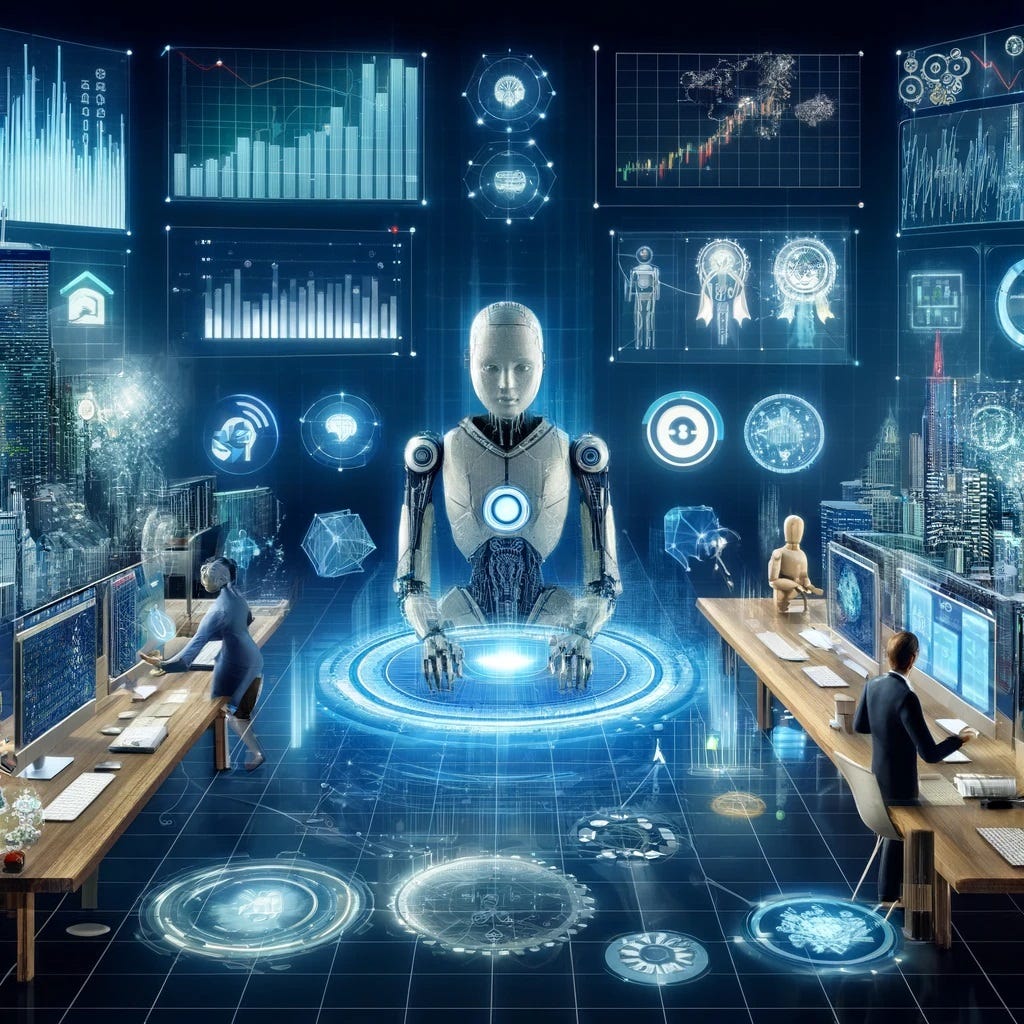
In 2026, the preference for AI has shifted from a “tech trend” to a fundamental lifestyle choice. People aren’t just using AI; they are relying on it as a digital partner to manage the sheer volume of data and tasks that modern life demands.
Here is a breakdown of why AI has become the preferred tool for almost every aspect of daily life.
1. From “Assistant” to “Digital Coworker”
The biggest shift in 2026 is the rise of Agentic AI. Unlike the early chatbots that just answered questions, today’s AI can take action. People prefer AI because it can now handle complex, multi-step workflows—like booking a multi-city trip, managing a project budget, or even troubleshooting code—with minimal supervision.
2. Personalization at Scale
AI has moved beyond generic responses. By analyzing your specific history, preferences, and “cognitive style,” modern AI provides bespoke experiences.
- In Education: It adapts to a student’s mastery level in real-time.
- In Healthcare: It offers personalized wellness advice by integrating data from wearables and health history.
- In Creativity: It acts as a “creative partner,” helping users break through writer’s block by suggesting ideas that align with their personal tone.
3. Closing the “Technical Divide”
One of the most human reasons for AI’s popularity is its ability to democratize skills. In 2026, you don’t need to be a coder to build an app or a graphic designer to create a brand. AI lowers the barrier to entry, allowing people to focus on their intent and vision while the machine handles the technical execution.
4. Emotional and Psychological Support
Surprisingly, a growing number of people—particularly Gen Z and Alpha—report a preference for talking to AI about their feelings.
- Non-Judgmental: AI provides a safe, bias-free space for “venting.”
- 24/7 Availability: It is always there, providing instant support for anxiety or loneliness.
- Voice Nuance: With advancements in Voice AI, these interactions now feel natural, featuring emotional nuance and realistic pacing